
06
may
Hospice Week highlights urgent gaps in end-of-life care

This year’s Hospice Week (4-10 May) will intensify efforts to champion universal palliative care for South Africans facing life-limiting illnesses.
While nationally more than 40 000 citizens access this essential service each year, it is nowhere near enough given that tens of thousands of families remain excluded from receiving the physical, psychological, social, and spiritual care and support palliative care offers.
South Africa is not excluded from the global debate around end-of-life choices and Medical Assistance in Dying (MAiD), but the demand for all-inclusive, early-referral palliative care, funding support and healthcare service integration has become so great that access to the service needs to be secured before tackling issues of preference.
Hospice Week, which was held from May 4-10 this year, is annually co-ordinated by the Worldwide Hospice and Palliative Care Alliance (WHPCA), with the Association of Palliative Care Centres (APCC), the member organisation for 71 palliative care centres around South Africa, facilitating relevant activities in the country.
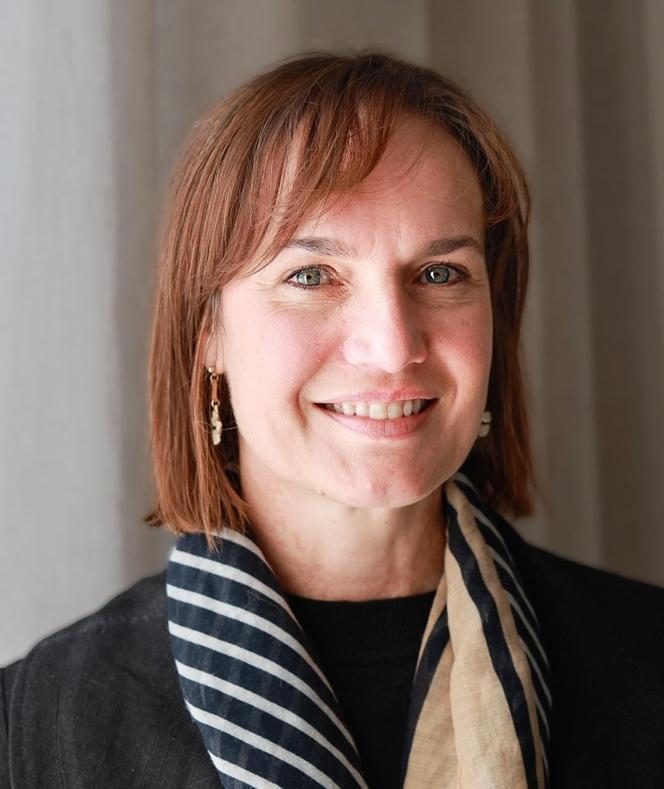
APCC CEO Motlalentoa Motsoane (above) says palliative care is not a privilege reserved for a few, nor should it depend on geography, diagnosis, or the ability to pay. “We are confronted with a stark reality: while some patients benefit from referrals or access to services, many more are left without the care they need at the most vulnerable time of their lives,” he says.
“The inconsistency in recognition and access to palliative care is not just a systems failure but an equity issue that demands urgent attention. We cannot accept a landscape where care from receipt of a life-limiting diagnosis is fragmented and underfunded.”
“The reality is that no price can or should be put on the value of this service”, says Hanneke Lubbe, APCC Chairperson of the Free State, “since death does not distinguish between resourced and non-resourced families. APCC members provide care to all, despite limited public funding. Many members rely on their own fundraising campaigns, community support, and the sponsoring of services to non-paying patients by those that can pay or have medical aid benefits for palliative care. This is obviously not the ideal situation as the provision of palliative care should be a recognised component of the healthcare system. A necessity given that a dignified death should be afforded to all.”
Helderberg Hospice Palliative Care social worker Heidi Hendriks says specialists in this field understand that each patient is unique. And, as social workers, they are duty-bound to “celebrate this uniqueness”.
“[We] encourage patients and families to live and make decisions as the experts of their own lives. This is where autonomy and participation in decision-making are key. This sometimes means that social workers are there to advocate for patients when they are perhaps no longer able to do so for themselves, for whatever reason,” she says.
To ensure that patients receive the care they deserve, the APCC urges families to make sure the hospice or palliative care centre they engage with is appropriately accredited and complies with the relevant regulated norms and standards for palliative care in South Africa. APCC members can be asked for a Letter of Good Standing.
Motlalentoa says it is imperative for the government, healthcare systems, medical aids, and communities to work collectively to ensure that the service is integrated, accessible, and adequately resourced for all. He adds that access to palliative care should be prioritised in South Africa.
“When people have access to quality palliative care, they are not only given self-respect, but can live longer with pain managed, symptoms controlled, and families strengthened through the journey of care. Palliative care should be funded, understood, and prioritised as a healthcare service in South Africa. Whilst we understand that end-of-life choices such as medically assisted dying are important conversations, we believe that access to palliative care should be prioritised.”

June 3, 2026
Seth Gem
Cooperate good deeds
0

June 3, 2026
Seth Gem
Important SA Events: Global & Local
0

June 3, 2026
Seth Gem
Economy
0
Steuart as a speaker