
o1
April
The New Axis of Value: Africa’s Strategic Outlook in a Multipolar World
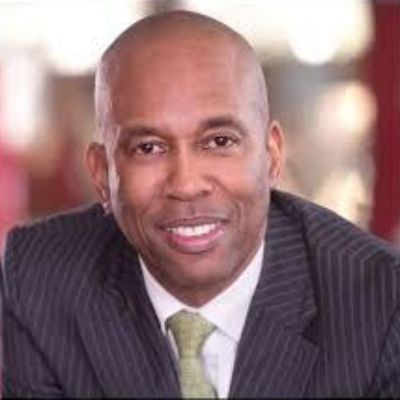
Moses Tembe (born 1963) is a South African businessman and philanthropist known for his contributions to the economic and social development of KwaZulu-Natal. With a career spanning over three decades he is a former President of the Durban Chamber of Commerce and Industry and Co-Chair of KZN Growth Coalition
Introduction
Historically, African nations have navigated a global landscape designed by external forces, which often undermined their agency and progress. By the early 21st century, Africa was perceived as the “Hopeless Continent,” marked by widespread poverty, technological lag, and high debt levels. The prevailing narrative reduced Africa to a source of raw materials for Western economies, with minimal integration into global trade or decision-making. This portrayal relegated the continent to a strategic pawn in international politics, particularly during the Cold War, where it was exploited for external interests rather than recognized as a sovereign player.
Transformative Shift by 2026
Fast forward to 2026, the global landscape is in flux, characterized by rising geopolitical tensions and the decline of the unipolar dominance once held by the West. The existing rules-based order, established post-World War II, is facing unprecedented challenges, paving the way for a multipolar world. Emerging economies, including those in Africa, are stepping into a more assertive role, seeking to redefine their positions within this new framework. Africa is no longer a passive player; instead, it is actively engaging in shaping the global order, positioning itself as a united and strategic entity.
The Rise of the Global South
In the last decade, the US and the European Union were the primary partners for the Global South. However, the rise of China and other emerging powers has transformed this dynamic. China’s strategic investments in Africa, characterized by a “no strings attached” approach, have gained traction among African governments aiming for greater autonomy. Countries like Russia and India, along with Gulf states, have also increased their influence in Africa, forming new alliances that challenge Western hegemony. Institutions like BRICS have emerged as alternative power blocs advocating for reform in global governance, actively engaging with African nations and enhancing their global standing.
Emerging Opportunities in a Multipolar World
As the global power structure becomes more multipolar, Africa stands at a crucial crossroads. This shift provides a unique opportunity for African nations to assert control over their economic futures, moving away from dependency on Western aid and focusing on partnerships that enhance sovereignty. The continent’s vast mineral wealth, particularly in rare earth elements essential for technology and renewable energy, has become a focal point for global powers, who recognize that they need Africa as much as Africa needs them. Countries like the Democratic Republic of Congo and South Africa are pivotal in supplying critical minerals, positioning Africa as a key player in global supply chains.
Increasingly, African nations are prioritizing value addition and local processing of their minerals rather than exporting raw materials. Notable examples include Namibia’s ban on unprocessed lithium exports and Zimbabwe’s insistence on local value addition for its mineral resources. This transition toward value-driven trade represents a significant shift in how African countries perceive and leverage their natural resources.
Demographic and Economic Potential
Africa’s youthful and growing population, projected to reach 2.5 billion by 2050, presents vast economic potential. With over 400 million individuals aged 15 to 35, Africa is poised to become a significant contributor to the global workforce, thereby creating substantial consumer markets. This demographic dividend, combined with steady economic growth and increasing foreign direct investment, positions Africa as an attractive destination for investors.
Moreover, Africa’s trade landscape is evolving, with the African Continental Free Trade Area (AfCFTA) aimed at enhancing intra-African trade and economic integration. The AfCFTA serves as a platform for reducing trade barriers and streamlining commerce across the continent, presenting an opportunity for Africa to engage in self-reinforcing economic growth. Successful initiatives under the AfCFTA have already demonstrated the potential for African nations to trade among themselves, fostering a stronger sense of economic unity and resilience.
Sustainable Development and Digital Transformation
The path to sustainable development in Africa hinges on embracing digital transformation. The internet economy is projected to significantly contribute to the continent’s GDP, creating vast opportunities for innovation and entrepreneurship. With a burgeoning tech ecosystem and numerous technology hubs emerging, Africa is well-positioned to harness digital advancements to drive economic growth.
Furthermore, the continent’s renewable energy potential is immense, with opportunities in solar, wind, and ocean energy. Investments focused on climate resilience and sustainable practices can elevate Africa’s role in addressing global climate challenges while fostering economic prosperity. Countries are increasingly recognizing the importance of integrating sustainability into their development strategies, paving the way for a greener economy.
Investing in South Africa
As one of Africa’s most dynamic markets, South Africa stands out as a key investment destination. Its strategic location, robust infrastructure, skilled workforce, and favorable business environment make it an attractive entry point for foreign investors seeking to access the broader African market. With a wealth of natural resources and a growing middle class, South Africa’s economic landscape is ripe for growth and innovation.
Conclusion
In a world marked by shifting power dynamics, Africa is no longer a passive participant but an essential player in shaping the future of international relations and economic development. The continent’s rich resources, youthful population, and commitment to self-determined growth signal its readiness to engage with global powers on its own terms. As Africa continues to build its future, it is not merely rising but actively creating, deciding, and competing on the global stage, ensuring its rightful place in the new multipolar world order.
by Moses Tembe

June 3, 2026
Seth Gem
Cooperate good deeds
0

June 3, 2026
Seth Gem
Important SA Events: Global & Local
0
June 3, 2026
Seth Gem
Economy
0
Steuart as a speaker